
Rabbit antibodies are widely used in immunology, molecular biology, and biomedical research because of their ability to recognize a broad range of molecular targets. They are important reagents for detecting proteins, investigating cellular mechanisms, identifying biomarkers, and studying biological processes under different experimental conditions.
Produced by the immune system of rabbits (Oryctolagus cuniculus), these antibodies recognize specific structures called epitopes on antigens. Their binding properties depend on the antigen, antibody sequence, affinity, and production method. Rabbit-derived antibodies are available in both polyclonal and monoclonal formats, providing researchers with different approaches to protein recognition and experimental detection.
From Western blotting and immunohistochemistry to immunofluorescence and flow cytometry, rabbit antibodies support a wide range of laboratory applications. Their effectiveness, however, depends on appropriate product selection, experimental validation, and compatibility with the detection system.

1. Understanding the Biological Basis of Rabbit Antibodies
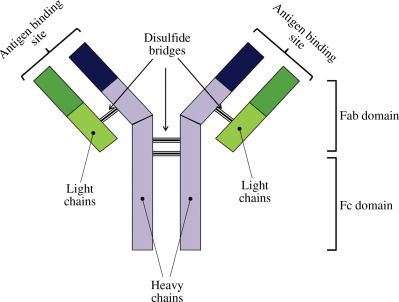
Antibodies, also known as immunoglobulins, are proteins produced by B lymphocytes and antibody-secreting plasma cells. They form a central part of the adaptive immune system, which recognizes specific molecular structures and contributes to immune defense.
When a rabbit's immune system encounters an antigen, selected B cells can respond by producing antibodies that bind to particular regions of that antigen. These regions are called epitopes and may be formed by a continuous sequence of amino acids or by amino acids brought together through the protein's three-dimensional structure.
Rabbit antibodies are particularly valuable in laboratory research because rabbits can develop diverse antibody responses against many antigens. Their antibody repertoires may recognize molecular regions that are difficult to target using antibodies generated in other species. This can be useful when researchers investigate conserved proteins, structurally complex antigens, or targets with limited immunogenicity in a particular animal model.
Nevertheless, antibody performance is not determined by species alone. Affinity, specificity, epitope accessibility, sample preparation, and assay conditions all contribute to the quality of the final experimental result.
2. Rabbit Polyclonal Antibodies: Recognizing Multiple Epitopes
Rabbit polyclonal antibodies consist of a heterogeneous population of antibodies that recognize different epitopes on the same antigen. They are generally obtained from serum after an immune response has been generated and the antibody preparation has been purified.
Because several antibody populations can bind to different regions of a target protein, polyclonal preparations may provide strong detection signals. If one epitope is partially inaccessible or altered during sample preparation, antibodies directed against other accessible regions may still bind.
This characteristic can make rabbit polyclonal antibodies useful for detecting proteins present at relatively low abundance, provided that the reagent has been adequately validated.
Main advantages of polyclonal antibodies
Multiple-epitope recognition: Different antibody populations can bind to separate regions of the same antigen.
Potential signal enhancement: Simultaneous recognition of several epitopes may increase the overall detection signal.
Broad experimental utility: Polyclonal antibodies can be useful across several protein analysis methods.
Recognition flexibility: Multiple epitopes can provide alternative binding opportunities when sample preparation affects individual regions of a protein.

Limitations to consider
Polyclonal antibody preparations can vary between production batches because the relative abundance of individual antibody populations may change. They may also contain unwanted antibody specificities if purification and validation are insufficient.
For these reasons, researchers should assess background staining, cross-reactivity, lot consistency, and performance in the intended application before relying on a polyclonal reagent for quantitative comparisons.
3. Rabbit Monoclonal Antibodies: Defined Target Recognition
Rabbit monoclonal antibodies are derived from a defined antibody-producing clone or an equivalent sequence-defined production system. They are designed to recognize a particular epitope on an antigen and can provide consistent recognition across experiments when the same antibody sequence and production process are maintained.
Rabbit monoclonal antibodies combine the distinctive antibody repertoire of rabbits with the advantages of monoclonal production. They are valuable when researchers require strong target recognition, controlled reagent identity, and reproducibility in protein analysis.

Why researchers choose rabbit monoclonal antibodies
A major advantage of rabbit monoclonal antibodies is their potential to recognize epitopes with high affinity and specificity. In some applications, they can detect targets that are difficult to recognize using other antibody formats.
Their defined molecular identity also supports standardized reagent production. This is particularly important when experiments involve repeated measurements, comparisons between sample groups, or the development of consistent analytical methods.
However, monoclonal antibodies recognize a specific epitope and may fail to bind if that epitope is absent, modified, or inaccessible under the experimental conditions. Their performance must therefore be established for each intended application.
4. Rabbit Antibodies in Western Blotting
Western blotting is a protein analysis technique used to detect a specific protein within a complex biological sample. Proteins are separated by electrophoresis, transferred to a membrane, and detected using antibodies directed against the target.
Rabbit antibodies are frequently used as primary antibodies in Western blot experiments because many validated reagents are available for proteins involved in cell signaling, gene regulation, metabolism, immune responses, and disease-associated pathways.

How rabbit antibodies work in Western blotting
The rabbit primary antibody binds to the target protein on the membrane. A compatible anti-rabbit secondary antibody then recognizes the primary antibody and enables detection through an enzyme or fluorescent label.
For enzyme-based detection, horseradish peroxidase (HRP) is commonly used with an appropriate substrate to generate a measurable signal. Fluorescent secondary antibodies provide an alternative approach that can support imaging and, with suitable instrumentation and controls, multiplex protein detection.
Important selection criteria
Researchers should verify that the antibody has been validated for Western blotting, recognizes the expected protein under the selected conditions, and produces an interpretable signal. Apparent molecular weight, positive and negative controls, sample preparation, and potential nonspecific bands should also be considered.
A strong signal alone does not prove that a band corresponds to the intended protein. Appropriate controls and independent evidence of target identity are essential for reliable interpretation.
5. Applications in Immunohistochemistry
Immunohistochemistry (IHC) is used to visualize the distribution of specific antigens within tissue sections. It combines antibody-based recognition with a detection system that produces a visible signal at the location of the target.
Rabbit antibodies are widely used in IHC for research involving tissue architecture, disease-associated markers, cellular differentiation, and protein localization.
In formalin-fixed, paraffin-embedded tissues, fixation may alter protein structures and mask epitopes. Antigen retrieval procedures can help restore antibody accessibility, but the appropriate method depends on the antigen and the validated protocol.
Researchers should evaluate staining intensity, localization, tissue morphology, and background signal. An antibody that performs well in Western blotting may not necessarily perform equally well in IHC because the target protein is presented differently in each method.

6. Rabbit Antibodies in Immunofluorescence and Immunocytochemistry
Immunofluorescence uses fluorescent labels to visualize the distribution of specific proteins in cells or tissues. Immunocytochemistry (ICC) applies antibody-based detection to cellular preparations, while immunofluorescence can be used in both cellular and tissue-based workflows.
Rabbit antibodies are useful for investigating protein localization, cellular organization, intracellular signaling, and interactions between biological structures.
In an indirect immunofluorescence workflow, an unlabeled rabbit primary antibody binds to the target. A fluorescently labeled anti-rabbit secondary antibody then enables visualization using an appropriate fluorescence microscope.
Common fluorescent labels include FITC and members of the Alexa Fluor family. The selection of a fluorophore depends on the excitation and emission characteristics of the label, the available microscope channels, sample autofluorescence, and the other markers used in the experiment.
Multiplex fluorescence and cross-reactivity
Multiplex staining enables researchers to investigate several targets within the same sample. For example, a rabbit primary antibody and a mouse primary antibody can sometimes be detected using separate fluorescent secondary antibodies.
When multiple primary antibodies originate from the same species, conventional secondary detection may not distinguish their signals reliably. Directly conjugated primary antibodies or specialized detection strategies may be required.
Cross-adsorbed secondary antibodies can help reduce unwanted binding to immunoglobulins from other species. Appropriate single-stain controls and channel-specific controls are important for assessing spectral overlap and nonspecific signal.
7. Rabbit Antibodies in Flow Cytometry
Flow cytometry measures the optical properties and fluorescence signals of individual cells as they pass through a laser-based detection system. Antibodies enable researchers to label specific cell-surface or intracellular markers and characterize cell populations.
Rabbit antibodies can be used in selected flow cytometry applications when their binding properties and labeling system are appropriate for the target.
For surface-marker analysis, researchers should confirm that the antibody recognizes the target in its native cellular environment. For intracellular proteins, fixation and permeabilization may be necessary, depending on the target and the validated protocol.
Essential considerations include antibody specificity, fluorophore selection, compensation, appropriate controls, and the potential for nonspecific binding. A reagent validated for Western blotting should not automatically be assumed to work in flow cytometry because protein denaturation and native cell-surface presentation create different recognition conditions.
8. Rabbit Antibodies in ELISA and Biomarker Detection
Enzyme-linked immunosorbent assay (ELISA) is an immunoassay used to detect or quantify a target substance in a sample. Depending on the assay design, rabbit antibodies can serve as capture antibodies, detection antibodies, or primary antibodies recognized by a secondary reagent.
ELISA methods are used to investigate cytokines, hormones, proteins, antibodies, and other biomarkers in biological samples. They are particularly valuable when researchers need to compare target levels across experimental conditions.
In a sandwich ELISA, a capture antibody binds the target, and a second antibody recognizes another accessible region of the same molecule. The detection system generates a signal related to the amount of target present within the assay's validated measurement range.
The antibodies must recognize compatible epitopes, and the assay requires appropriate calibration, positive and negative controls, and assessment of matrix effects. The use of rabbit antibodies does not by itself guarantee a quantitative or sensitive assay; performance depends on the complete assay design.
9. Antibody Conjugates and Detection Technologies
Rabbit antibodies can be supplied in different formats to support particular detection strategies. The choice of label affects how the binding event is converted into a measurable signal.
HRP-conjugated antibodies
Horseradish peroxidase is an enzyme frequently used in chemiluminescent and chromogenic detection systems. HRP-linked antibodies can generate a detectable signal when combined with a suitable substrate.

FITC-conjugated antibodies
Fluorescein isothiocyanate (FITC) is a fluorescent label used in microscopy and flow cytometry. Its suitability depends on the excitation source, detector configuration, and other fluorophores present in the experiment.
Biotinylated antibodies
Biotinylation introduces biotin molecules that can be detected using avidin- or streptavidin-based systems. These systems are useful in several immunoassays, although endogenous biotin and nonspecific interactions may require consideration in some sample types.
Alexa Fluor-conjugated antibodies
Alexa Fluor dyes provide a range of fluorescence characteristics for imaging and cellular analysis. Selecting an appropriate dye can help researchers distinguish multiple targets and minimize overlap between detection channels.
Conjugation can alter antibody behavior in some circumstances. Therefore, researchers should select the format validated for their intended application rather than assuming that labeled and unlabeled versions will perform identically.

10. Primary and Secondary Antibodies: Understanding Compatibility
The distinction between primary and secondary antibodies is fundamental to successful antibody-based detection.
A primary antibody directly recognizes the antigen of interest. A secondary antibody recognizes the primary antibody and enables its detection, often through an attached enzyme or fluorescent label.
For example, a rabbit primary antibody directed against a human protein can be detected using a compatible anti-rabbit secondary antibody. The primary antibody's production species is rabbit, while the target protein's biological source is human.
These are separate characteristics. An antibody described as rabbit anti-human generally means that it was produced in a rabbit and recognizes a human target. It does not mean that the antibody recognizes rabbit proteins.
When selecting a secondary antibody, researchers should confirm its specificity for the primary antibody species and immunoglobulin class, the conjugate format, and the intended application. Cross-adsorption may be particularly important when several species are represented in the same sample or staining panel.
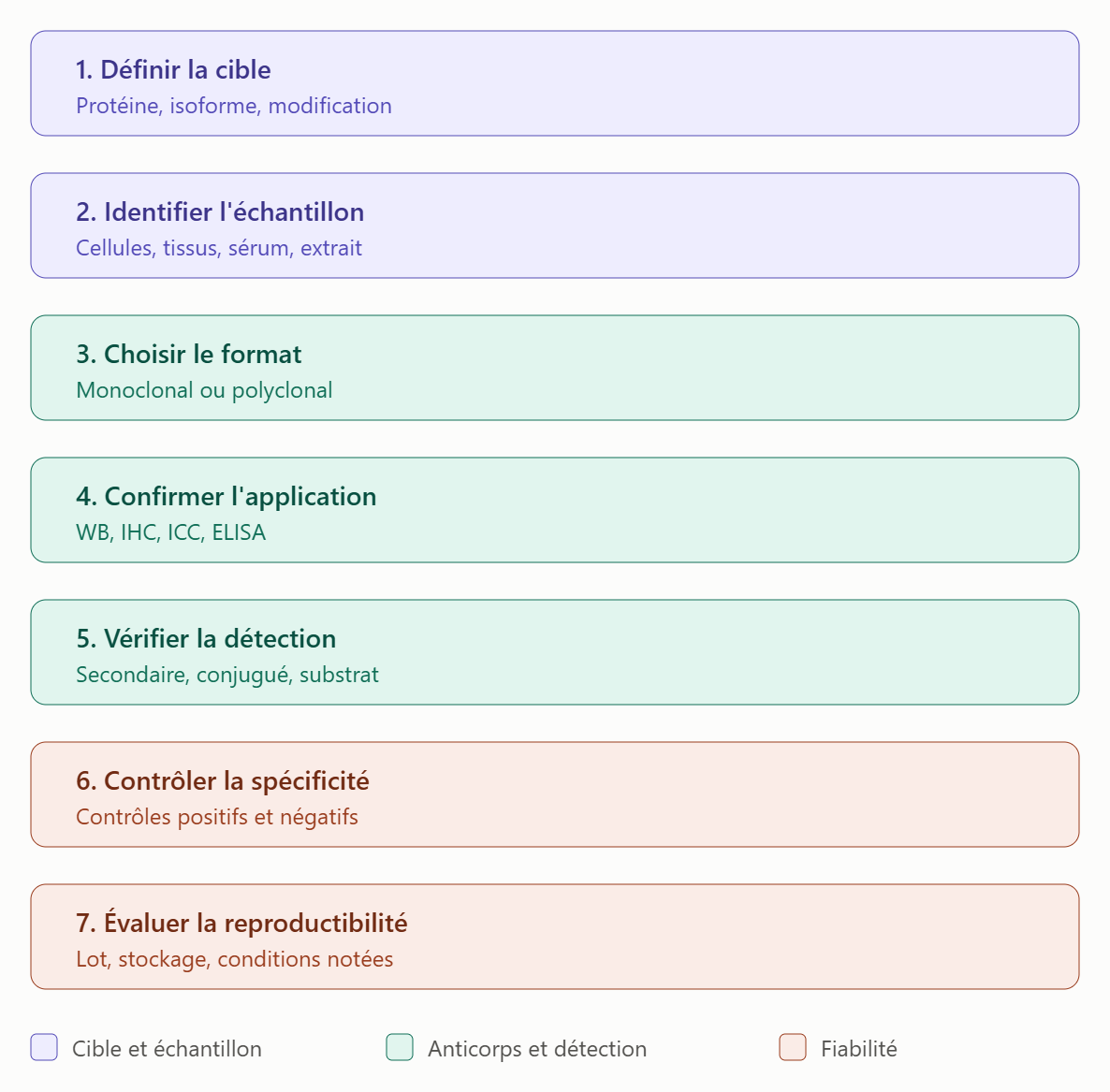
11. How to Select the Right Rabbit Antibody
Choosing an appropriate rabbit antibody requires a systematic assessment of the biological target, experimental method, and available validation data.
Reproducibility and Responsible Antibody Use
Reliable antibody-based research depends on more than purchasing a reagent described as high-affinity or highly specific. The antibody must be appropriate for the target and validated for the actual experimental conditions.
Researchers should document the antibody supplier, product identifier, clone when applicable, lot number, dilution, incubation conditions, sample preparation, detection method, and relevant controls. Reporting these details makes experiments easier to reproduce and allows other researchers to evaluate the evidence supporting the results.
Antibody validation should be treated as application-specific. Evidence supporting an antibody in Western blotting does not necessarily establish its suitability for immunohistochemistry or flow cytometry. Whenever possible, independent evidence of target identity and biological consistency should complement antibody-based measurements.
The production of animal-derived antibodies also involves animal welfare considerations. Appropriate ethical oversight, refinement of procedures, and the use of alternative technologies when scientifically suitable are important components of responsible research.
Future Perspectives in Rabbit Antibody Research
Advances in antibody engineering, recombinant expression, and molecular screening continue to expand the possibilities for rabbit antibody development. Hybridoma methods, phage display, and single B-cell approaches can support the identification and production of antibodies with defined binding characteristics.
Recombinant antibody production can improve consistency by allowing a selected antibody sequence to be produced through a controlled expression system. It can also facilitate the development of engineered formats, including fragments and antibodies modified for specific detection or research applications.
Improvements in imaging, automated analysis, and multiplex detection are creating additional opportunities to study protein localization and biological interactions. At the same time, stronger validation practices remain essential for translating technical advances into dependable scientific results.
The future of rabbit antibody research will therefore depend on combining the diversity of rabbit antibody recognition with rigorous validation, reproducible production, and thoughtful experimental design.
Rabbit Antibodies as Versatile Tools for Protein Research
Rabbit antibodies are valuable reagents for protein analysis because they combine diverse antigen recognition with a broad range of available monoclonal and polyclonal formats. Their applications extend from Western blotting and immunohistochemistry to immunofluorescence, flow cytometry, and ELISA.
Successful antibody selection requires a clear understanding of the target, sample type, detection strategy, and product-specific validation. Researchers should also consider secondary antibody compatibility, potential cross-reactivity, appropriate controls, and reproducibility across experiments.
By combining carefully selected rabbit antibodies with well-designed protocols and rigorous validation, laboratories can improve the reliability of protein detection and generate more interpretable results in immunology, molecular biology, and biomedical research.